 Loading...
Loading...
Loading...
Overview
Your general health is largely dependent on your heart, the body’s essential muscular engine. Our entire physiology performs at its peak when your heart is healthy, supporting other organs, boosting energy levels, and promoting better physical and mental balance.
The heart is more than just an organ that pumps blood that is rich in oxygen, as we at SP Medifort recognize. Additionally, it is the body’s emotional core, affecting daily quality of life, stress levels, and mood. An alarming number of young people are experiencing heart-related problems as a result of stress, sedentary lifestyles, and unhealthy routines in the modern world. Dedicated cardiac care is therefore more important than ever.
Globally, cardiovascular disease (CVD) causes about 17.9 million deaths each year, making it the leading cause of death.
Many conditions are preventable or manageable with lifestyle changes, medication, or surgery, depending on severity.
The Department of Cardiology at SP Medifort is dedicated to providing accurate diagnosis, efficient prevention, and advanced therapy for a variety of cardiac and cardiovascular health problems. Our department is equipped with highly skilled cardiologists, revolutionary diagnostic tools, and contemporary critical care support because we recognize that every second matters during a cardiac emergency.
Our methodology is based on a patient-centered attitude. In order to provide continuous and all-encompassing care, we place a strong emphasis on thorough examination, individualized treatment programs, and the collaborative heart team concept. We concentrate on high priority on patient education, disease prevention, and cardiac rehabilitation in addition to providing top-notch medical care, enabling people to take control of their long-term heart health. Cardiac treatment at SP Medifort is prompt, accurate, and compassionate care intended to save lives and assist patients in leading stronger, healthier, and heart-positive lives. It goes beyond simple medical intervention.
Things You Shouldn’t Ignore Heart disease frequently progresses silently, and many patients may not experience any symptoms until the illness worsens. Timely diagnosis and treatment can be greatly impacted by identifying early warning symptoms. Some of the most typical—and frequently disregarded—symptoms of cardiac disease are listed below:
Our Department of Cardiology at SP Medifort provides a full range of innovative, minimally invasive cardiac procedures. We guarantee safe, accurate, and prompt treatment for all heart-related diseases using modern technology, skilled interventional cardiologists, and 24-hour emergency care.
A detailed list of every cardiac procedure carried out at SP Medifort may be seen below.
During an acute myocardial infarction (heart attack), primary angioplasty, also known as percutaneous coronary intervention (PCI), is a life saving surgery. It promptly opens clogged coronary arteries and replenishes the heart’s blood supply.
How we do it
To identify and treat heart and blood vessel problems before they become life-threatening, elective angiography and angioplasty are carried out.
Suggested for individuals with:
An X-ray camera creates detailed images (angiograms) to identify blockages after injecting a contrast dye.
To restore blood flow, angioplasty with stenting is carried out at the same sitting if obstructions are discovered.
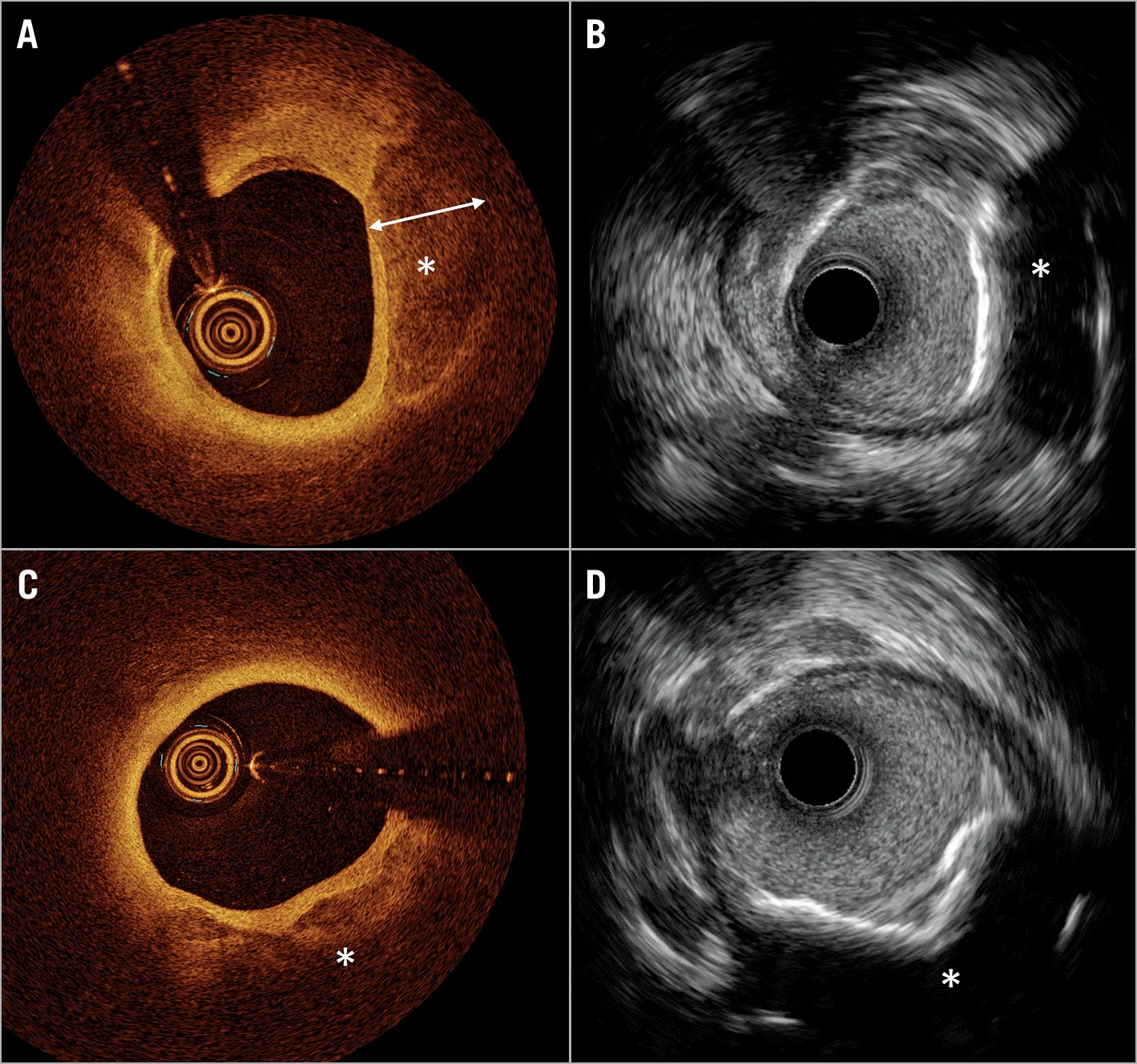
Modern imaging technologies are used by SP Medifort to precisely guide complicated angioplasty situations.
CTO PCI is a specialised technique used to open arteries that are completely blocked for more than 3 months.
Highlights:
The degree of blockage can be ascertained by measuring pressure changes across a constricted coronary artery using Fractional Flow Reserve (FFR).
Why it matters:
Numerous cardiovascular disorders can be diagnosed using cardiac catheterization.
It assists in evaluating:
A minimally invasive method for treating pulmonary, aortic, or mitral valve stenosis.
How it is beneficial?
When the aortic valve fails to open adequately (aortic stenosis), TAVR is advised, particularly in patients who are not good candidates for open heart surgery.
Benefits:
A pacemaker is a tiny electronic device that is implanted to control irregular or sluggish heartbeats.
Overview of the procedure:
With the goal in helping prevent sudden cardiac arrest, an ICD is advised for patients who have ventricular tachycardia or fibrillation.
How it operates ?
By capturing blood clots that are moving from the legs to the lungs, an Inferior Vena Cava (IVC) filter helps avoid pulmonary embolism.
Method:
The heart may be overworked by congenital conditions such Patent Ductus Arteriosus (PDA), Ventricular Septal Defect (VSD), and Atrial Septal Defect (ASD). Open cardiac surgery is no longer necessary thanks to SP Medifort’s minimally invasive device closure techniques.
How it functions?
Used to treat serious congenital disorders such as Major Aortopulmonary Collaterals (MAPCAs) and Patent Ductus Arteriosus (PDA).
Steps in the procedure:
A regular health check-up will ensure that one’s body continues to be healthy and can help detect any potential health problems early so that take steps can be taken to prevent them from becoming more serious. It helps to identify risk factors for certain diseases. For example, if high BP or cholesterol levels are detected in a person, they may be advised to make lifestyle changes to reduce their risk of developing heart disease or having a stroke. A health check-up also allows your doctor to monitor the progress of any ongoing illness, even if it is chronic in nature, and to make necessary changes to the treatment plan.
It is advisable to go for a heart health check-up at least once a year because many health problems do not show any symptom in the early stages. It may detect health problems early when they are most easily treatable.
Your general health is largely dependent on your heart, the body’s essential muscular engine. Our entire physiology performs at its peak when your heart is healthy, supporting other organs, boosting energy levels, and promoting better physical and mental balance.
The heart is more than just an organ that pumps blood that is rich in oxygen, as we at SP Medifort recognize. Additionally, it is the body’s emotional core, affecting daily quality of life, stress levels, and mood. An alarming number of young people are experiencing heart-related problems as a result of stress, sedentary lifestyles, and unhealthy routines in the modern world. Dedicated cardiac care is therefore more important than ever.
Globally, cardiovascular disease (CVD) causes about 17.9 million deaths each year, making it the leading cause of death.
Many conditions are preventable or manageable with lifestyle changes, medication, or surgery, depending on severity.
The Department of Cardiology at SP Medifort is dedicated to providing accurate diagnosis, efficient prevention, and advanced therapy for a variety of cardiac and cardiovascular health problems. Our department is equipped with highly skilled cardiologists, revolutionary diagnostic tools, and contemporary critical care support because we recognize that every second matters during a cardiac emergency.
Our methodology is based on a patient-centered attitude. In order to provide continuous and all-encompassing care, we place a strong emphasis on thorough examination, individualized treatment programs, and the collaborative heart team concept. We concentrate on high priority on patient education, disease prevention, and cardiac rehabilitation in addition to providing top-notch medical care, enabling people to take control of their long-term heart health. Cardiac treatment at SP Medifort is prompt, accurate, and compassionate care intended to save lives and assist patients in leading stronger, healthier, and heart-positive lives. It goes beyond simple medical intervention.
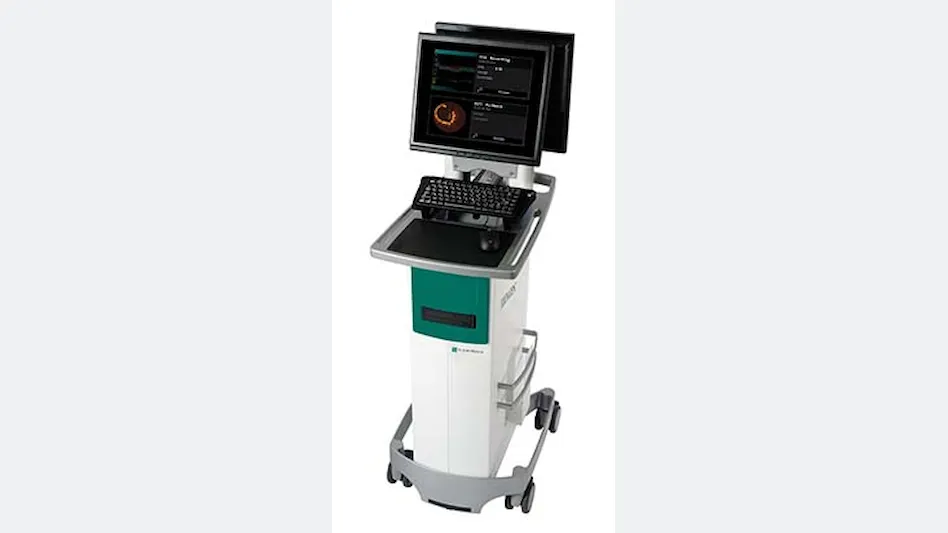
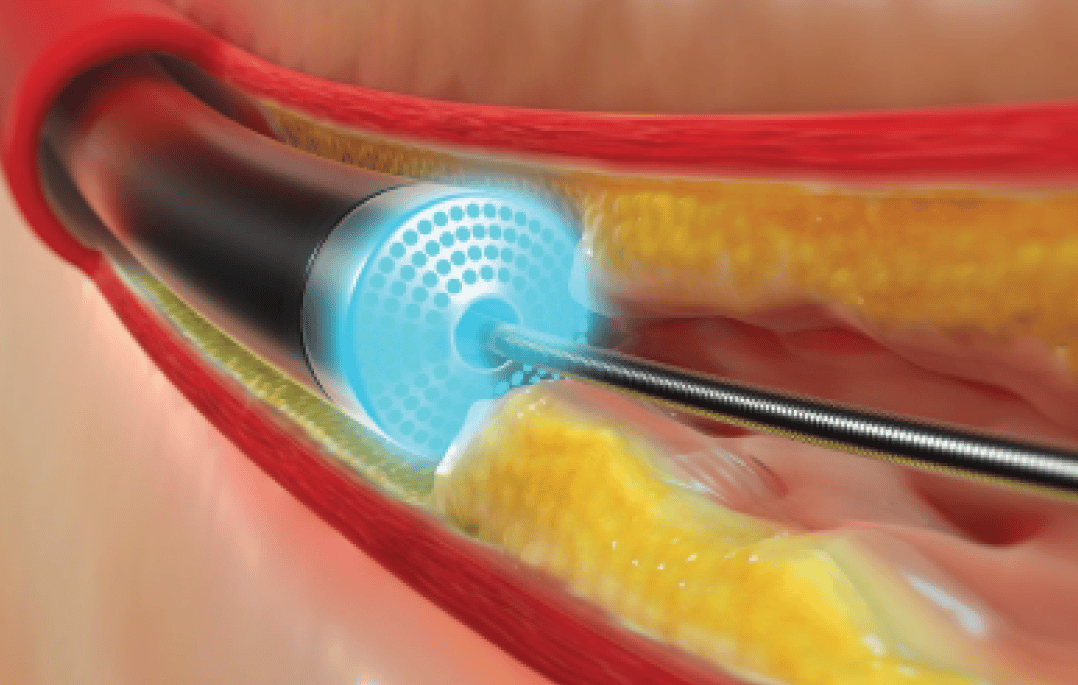
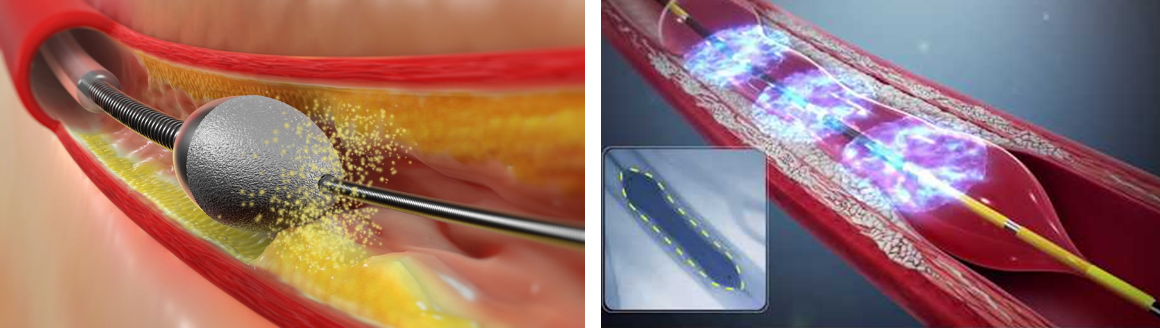
Laser Angioplasty with the Next Generation Philip Excimer system – 1st in south Kerala
Narrowing or blockage of the coronary arteries due to plaque buildup.
Irregular heart rhythms, including atrial fibrillation, tachycardia, and bradycardia.
When the heart cannot pump blood effectively, leading to fatigue and fluid buildup.
Disease of the heart muscle that makes it harder for the heart to pump blood.
Malfunction of valves (stenosis, regurgitation, or prolapse) affecting blood flow.
Structural problems present at birth, such as septal defects.
Inflammation of the sac surrounding the heart.
Infection of the inner lining of the heart chambers and valves.
Bulging or tearing of the aorta, the body’s main artery.
Narrowing of arteries outside the heart, often in the legs.
Blockage or bleeding in brain vessels due to heart-related issues.
Damage caused by long-term high blood pressure.
Chest pain due to reduced blood flow to the heart.
Abrupt loss of heart function, often due to arrhythmia.
Damage from untreated strep infections leading to valve problems.
High blood pressure in the arteries of the lungs affecting the heart.
Things You Shouldn’t Ignore Heart disease frequently progresses silently, and many patients may not experience any symptoms until the illness worsens. Timely diagnosis and treatment can be greatly impacted by identifying early warning symptoms. Some of the most typical—and frequently disregarded—symptoms of cardiac disease are listed below:
Angina is a common symptom that can feel like pressure, tightness, squeezing, burning, or heaviness in the chest. It typically happens after meals, after physical exercise, or under emotional stress, and it normally goes away with relaxation.
Breathing difficulties while lying down or during physical activity may be a sign of the heart’s reduced ability to pump blood efficiently.
Even with minimal physical activity, persistent fatigue or poor energy can indicate early heart disease, particularly in women.
Arrhythmias or underlying cardiac disease may be indicated by irregular heartbeats, fast heartbeats, skipped beats, or a fluttering feeling in the chest.
When the heart cannot sustain sufficient blood flow to the brain, dizziness, lightheadedness, or fainting may result.
Fluid accumulation in the body is frequently associated with circulation problems or heart failure.
The neck, jaw, shoulders, back, or left arm may all experience discomfort. Atypical pain patterns can also occur in women.
Our Department of Cardiology at SP Medifort provides a full range of innovative, minimally invasive cardiac procedures. We guarantee safe, accurate, and prompt treatment for all heart-related diseases using modern technology, skilled interventional cardiologists, and 24-hour emergency care.
A detailed list of every cardiac procedure carried out at SP Medifort may be seen below.
During an acute myocardial infarction (heart attack), primary angioplasty, also known as percutaneous coronary intervention (PCI), is a life saving surgery. It promptly opens clogged coronary arteries and replenishes the heart’s blood supply.
How we do it
To identify and treat heart and blood vessel problems before they become life-threatening, elective angiography and angioplasty are carried out.
Suggested for individuals with:
An X-ray camera creates detailed images (angiograms) to identify blockages after injecting a contrast dye.
To restore blood flow, angioplasty with stenting is carried out at the same sitting if obstructions are discovered.
Modern imaging technologies are used by SP Medifort to precisely guide complicated angioplasty situations.
CTO PCI is a specialised technique used to open arteries that are completely blocked for more than 3 months.
Highlights:
The degree of blockage can be ascertained by measuring pressure changes across a constricted coronary artery using Fractional Flow Reserve (FFR).
Why it matters:
Numerous cardiovascular disorders can be diagnosed using cardiac catheterization.
It assists in evaluating:
A minimally invasive method for treating pulmonary, aortic, or mitral valve stenosis.
How it is beneficial?
When the aortic valve fails to open adequately (aortic stenosis), TAVR is advised, particularly in patients who are not good candidates for open heart surgery.
Benefits:
A pacemaker is a tiny electronic device that is implanted to control irregular or sluggish heartbeats.
Overview of the procedure:
With the goal in helping prevent sudden cardiac arrest, an ICD is advised for patients who have ventricular tachycardia or fibrillation.
How it operates ?
By capturing blood clots that are moving from the legs to the lungs, an Inferior Vena Cava (IVC) filter helps avoid pulmonary embolism.
Method:
The heart may be overworked by congenital conditions such Patent Ductus Arteriosus (PDA), Ventricular Septal Defect (VSD), and Atrial Septal Defect (ASD). Open cardiac surgery is no longer necessary thanks to SP Medifort’s minimally invasive device closure techniques.
How it functions?
Used to treat serious congenital disorders such as Major Aortopulmonary Collaterals (MAPCAs) and Patent Ductus Arteriosus (PDA).
Steps in the procedure:

A regular health check-up will ensure that one’s body continues to be healthy and can help detect any potential health problems early so that take steps can be taken to prevent them from becoming more serious. It helps to identify risk factors for certain diseases. For example, if high BP or cholesterol levels are detected in a person, they may be advised to make lifestyle changes to reduce their risk of developing heart disease or having a stroke. A health check-up also allows your doctor to monitor the progress of any ongoing illness, even if it is chronic in nature, and to make necessary changes to the treatment plan.
It is advisable to go for a heart health check-up at least once a year because many health problems do not show any symptom in the early stages. It may detect health problems early when they are most easily treatable.



Common early symptoms include chest pain, shortness of breath, fatigue, palpitations, dizziness, swelling in the legs, and discomfort in the neck, jaw, or arms. If these symptoms persist, immediate medical evaluation is recommended.
You should see a cardiologist if you experience persistent chest pain, breathlessness, irregular heartbeats, unexplained fatigue, high blood pressure, or a family history of heart disease.
Angiography is a diagnostic test that uses dye and X-ray imaging to identify blocked arteries. Angioplasty is a treatment procedure where a balloon and stent are used to open the blocked artery.
Yes. Regular exercise, a balanced diet, quitting smoking, controlling blood pressure and diabetes, and routine health check-ups can significantly reduce the risk.
Yes. SP Medifort provides round-the-clock emergency cardiac services, including Primary Angioplasty and advanced cardiac interventions.





 Book Today